Five hundred tonnes a day, inside the soy belt
The plant stands at Terekty in the Koksu District, surrounded by the irrigated fields that supply it. What follows is the whole line, from the truck at the gate to the certificate in the shipping documents.
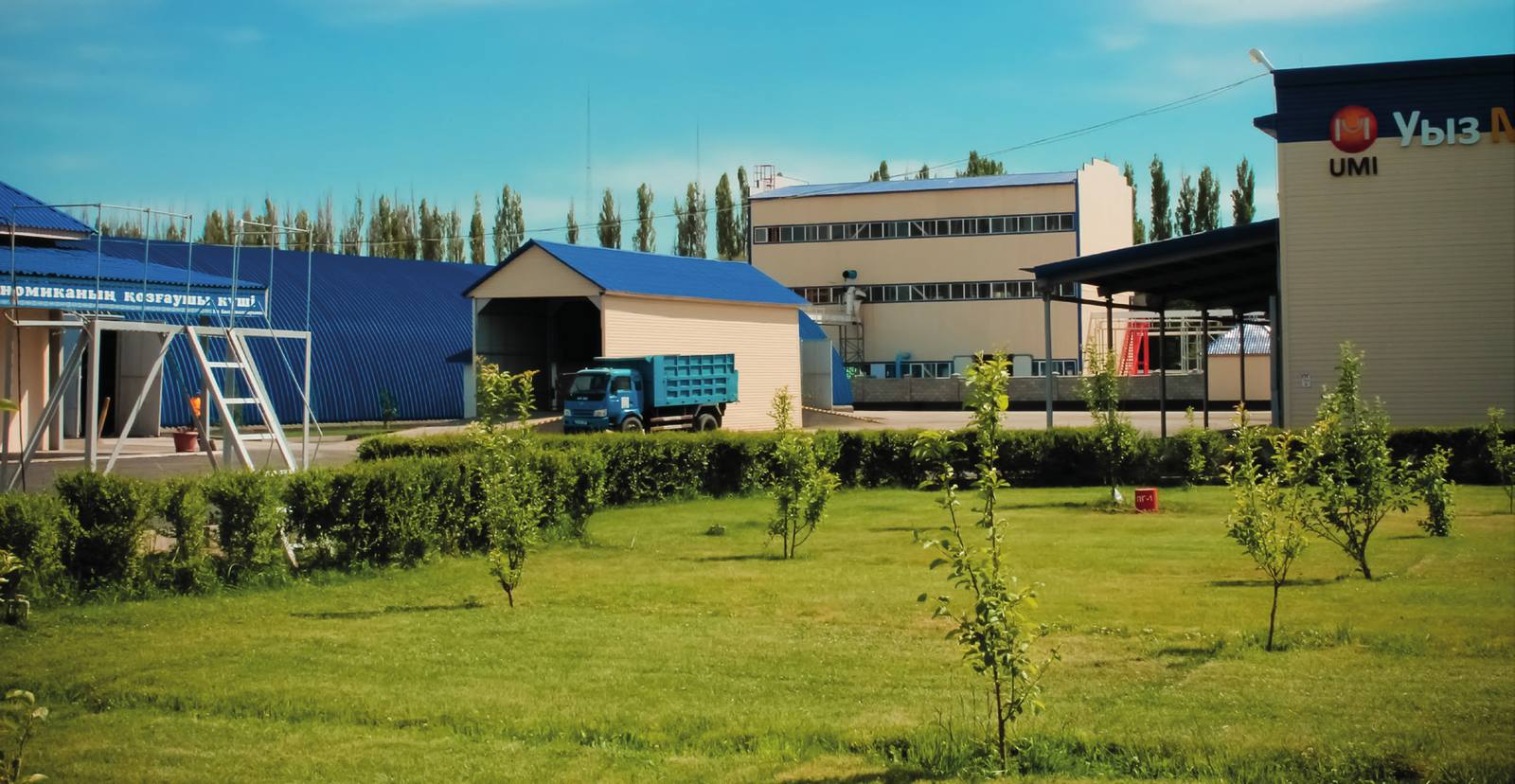
Proximity is the logistics model
Beans travel a short distance from field to intake. Less transport means less handling, less moisture variation on arrival, and a shorter gap between harvest and processing.
One intake, two lines, four products
Every bean enters through the same gate and passes the same three preparation stages. After conditioning, the line divides according to what the bean is meant to become.
Samples are drawn from every truck and analysed for moisture, foreign matter and protein before a single tonne is unloaded. Loads outside specification are refused at the gate.
Separation removes dust, stones, broken beans and crop residue. Calibration follows, so the material entering the next stage is uniform in size.
Moisture across the batch is brought to a single value. Every stage downstream depends on this being right, which is why it is a stage of its own rather than part of another.
Expansion line
For the bean that keeps its own oil.
- Short-term barothermal expansion under pressure and heat
- Complete inactivation of urease and trypsin inhibitors
- Cell structure ruptured, fibre matrix left intact around the lipids
- Cooling, stabilisation and laboratory check
Extraction line
For the bean that is separated into protein and oil.
- Deep extraction separates the oil from the solids
- Oil passes to vacuum dehydration, keeping tocopherols and phospholipids
- Part of the oil volume is hydrated to remove gums and phosphorus compounds
- Solids pass to hydrothermal treatment and controlled toasting
- Meal is graded to Standard or Hi-Pro against the protein result
Every lot is a known quantity.
A feed formula is only as stable as the ingredient behind it. We control the raw material before it enters the line and measure the product before it leaves, so the protein figure you plan against in January is the one that arrives in June.
- 01
Strictly selected raw material
We work with growers in the irrigated Zhetysu belt on agreed varieties rather than buying whatever the open market offers that week.
- 02
Intake laboratory
Moisture, foreign matter and protein measured on every truck before unloading.
- 03
Certificate with every lot
Each batch ships with its own analysis, so your technologist formulates against real numbers instead of a published average.
- 04
Full traceability
Any delivered lot can be traced back through processing to the season and the field group it came from.
Storage is what makes a contract possible
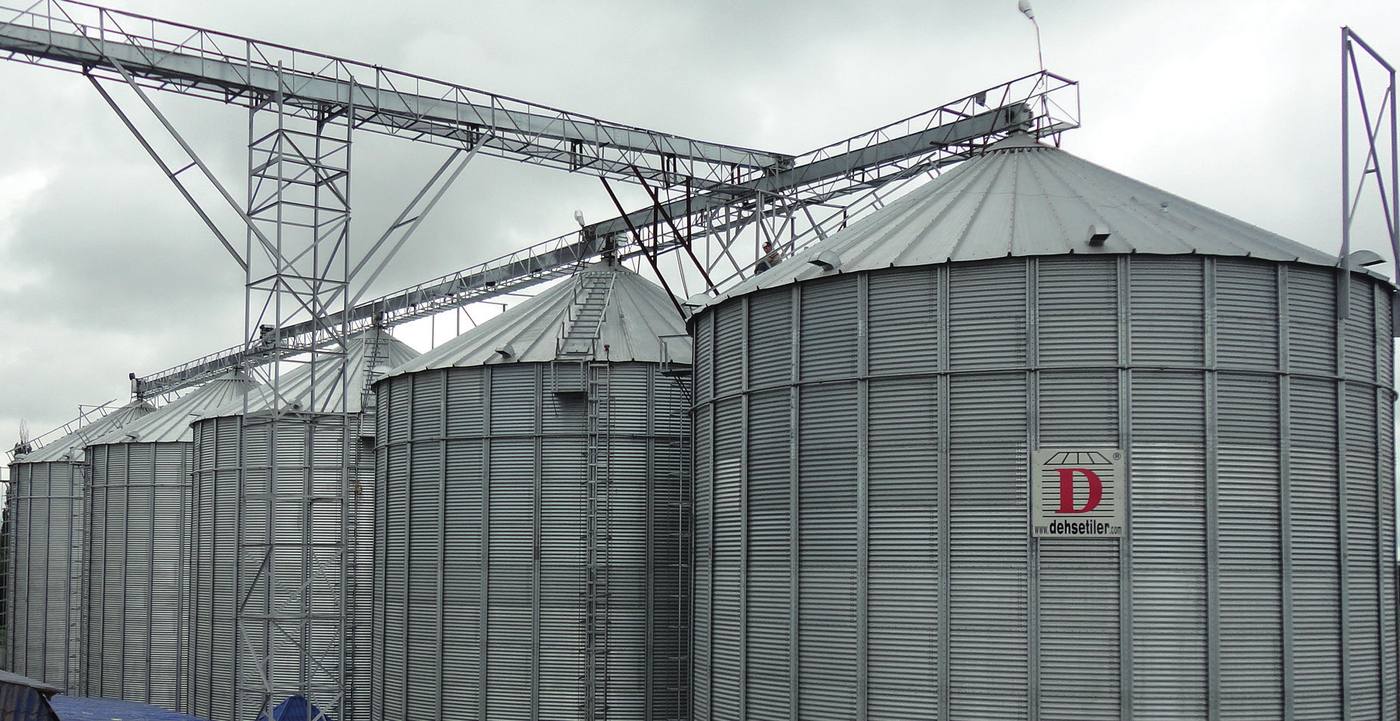
Soy is harvested in a window of weeks and fed all year. Silo capacity is the difference between a supplier who can hold a twelve-month contract and one who sells whatever came in this week.
What 500 tonnes a day means for a buyer
Capacity is not a trophy. It is the reason three specific things are possible.
Volume you can plan against
An annual contract can be held through the whole feeding year rather than renegotiated every time the harvest moves.
Consistency between lots
A large, continuous run produces less variation than a small one that stops and restarts on different raw material.
Room for your growth
If your flock doubles, your supplier does not have to be replaced. Scale on our side is headroom on yours.
Come and see the line.
We would rather show you the plant than describe it. Buyers and prospective partners are welcome at Terekty by arrangement, and we will walk you through intake, both lines and the laboratory.